A septic tank that hasn't been pumped in five or more years has accumulated solids to the point where the system is running out of margin. The rule of thumb you've probably heard - pump every 3 to 5 years - is based on how fast solid waste accumulates in a standard residential tank relative to tank volume. When the sludge and scum layers together take up more than a third of the tank's working volume, there isn't enough liquid retention time for the system to treat waste properly before it flows to the drain field. That's when you get backups, slow drains, and eventually, field failure.
A pump-out costs $300 to $500. A drain field replacement typically runs $5,000 to $15,000 in the Texas market. The math is simple. The scheduling is what most people put off.
What Happens During a Pump-Out
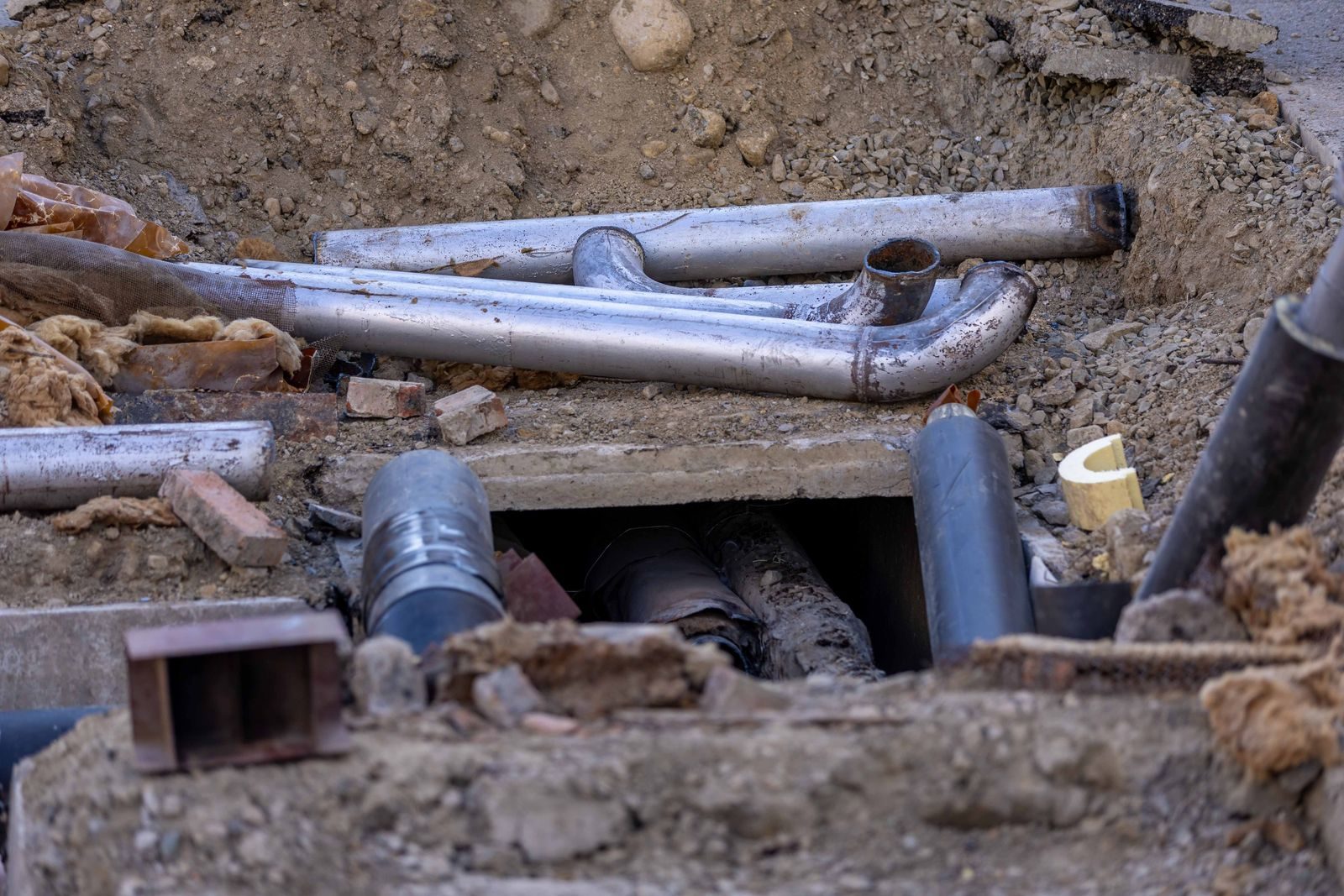
Most residential pump-outs take 30 to 45 minutes from truck arrival to departure, assuming the access lid is locatable and accessible.
- We locate the access lid (or the riser, if one's been installed). If the lid is buried, we probe for it or pull the county permit records to get the approximate location.
- We open the access port and inspect the visible condition of the tank before pumping - sludge layer depth, scum layer thickness, condition of the inlet and outlet baffles.
- We pump out the contents using a vacuum truck. A 1,000-gallon tank draws out in roughly 20 to 30 minutes. A 1,500-gallon tank takes longer.
- After the tank is emptied, we backwash the tank walls with water to loosen and remove residual sludge that clings to the sides. This is the cleaning step that some companies skip.
- We inspect the baffles while the tank is open. A broken or missing outlet baffle is a common finding - it costs $150 to $300 to replace and prevents solids from flowing directly into the drain field.
- We fill out a service record with the date, tank condition, and any issues noted. You keep a copy. TCEQ-licensed maintenance companies are required to document every service visit.
Pumping vs. Cleaning: What's the Difference
"Pumping" and "cleaning" are often used interchangeably, and in most residential jobs they happen in the same visit. Pumping removes the liquid and solid contents of the tank. Cleaning, technically, refers to the backwashing step - using water to flush residual solids off the tank walls that the vacuum can't pull directly.
A thorough pump-out includes both. If a company's quote is $50 cheaper than everyone else's, it's worth asking whether they're doing a full vacuum with backwash or just pulling the liquid and leaving caked solids behind. A tank that's pumped but not cleaned will refill faster because the residual sludge continues to accumulate on top of what was left.
For tanks that haven't been serviced in ten or more years, or where heavy grease use has built up calcified deposits on the walls, a more intensive cleaning pass may be warranted beyond the standard backwash. We'll tell you if we see that situation when the tank is open.
How Often to Pump
The EPA recommends pumping every 3 to 5 years for a typical household. That range exists because household size matters more than time alone.
| Household size | 1,000-gallon tank | 1,500-gallon tank |
|---|---|---|
| 1-2 people | Every 4-5 years | Every 6-7 years |
| 3-4 people | Every 2-3 years | Every 3-4 years |
| 5-6 people | Every 1-2 years | Every 2-3 years |
These are estimates based on average waste production. A garbage disposal adds meaningful solid load and shortens the interval by roughly a year. A water softener's brine discharge can disrupt the bacterial balance in the tank and may require more frequent service.
If you don't know when the tank was last pumped, that's not unusual. Many homes change hands without septic service records. In that case, get a pump-out and inspection done and start the clock fresh from there.
Signs Your Tank Is Getting Full
The warning signs show up weeks before a full backup:
Early signs (tank getting full): - Slow drains throughout the house - every fixture, not just one - Gurgling sounds from drains when you flush or run water in another location - Toilets that take longer than usual to refill after flushing
Late signs (tank at or near capacity): - Sulfur or sewage smell inside the house or near the drain field - Unusually green or fast-growing grass over the drain field area - Soggy spots in the yard that don't dry out after rain
Active backup (call immediately): - Sewage coming up through floor drains or the lowest fixture in the house - Sewage surfacing over the drain field
The late signs and active backup stage are where permanent damage happens. Sewage pushed into a drain field that has no remaining capacity will clog the soil pores around the leach lines. If that continues, the field has to be replaced.
Caliche and Amarillo Septic Systems
Amarillo sits on the Southern High Plains - the Llano Estacado - where caliche is a fact of life in any excavation. Caliche is calcium carbonate hardpan that forms over thousands of years in semi-arid climates. Contractors know it because it dulls drill bits and makes excavation slow. Septic technicians know it because it's the reason a drain field that should last 30 years starts failing in 15.
A conventionally installed drain field depends on the soil absorbing effluent from the tank. When a caliche layer sits a foot or two below the surface - common throughout the Panhandle - the effluent has nowhere to go. The field saturates and eventually forces sewage back up.
In practice: if you've had recurring slow drains in Amarillo even after pumping, the drain field is worth evaluating. A tank problem and a field problem can look identical from inside the house. We diagnose before we recommend anything.
Frequently Asked Questions
Can I be home during the pump-out? Yes. Most customers are at work and leave a note about access. If you want to watch, we'll show you what we're looking at when the tank is open.
What do you do with the septage pulled from the tank? It goes to a licensed treatment facility. TCEQ rules prohibit disposal on land or in waterways. There's no situation where a licensed pumper should be asking to spread it on a field or empty it anywhere other than an approved facility.
Will pumping fix my slow drains? If the slow drains are caused by a full tank, yes. If they're caused by a drain field that's failed, pumping gives you temporary relief but not a fix. A field problem requires a site evaluation. If we pump and the problem returns in days rather than months, the field is likely the issue.
My neighbor went eight years without pumping and had no problems. It happens. Tank capacity, household size, and soil conditions all vary. But a tank that's gone eight years without service almost certainly has compacted sludge that's harder to remove in a single visit, and may have been pushing marginal effluent to the drain field for years without visible symptoms. The symptoms show up eventually - usually at a worse moment than a scheduled pump-out would have been.
How do I know what size tank I have? County OSSF permit records are the most reliable source. If records aren't available, your contractor can estimate based on what comes out during the pump-out, or take a physical measurement once the tank is empty.
Do you offer same-day service? Call (806) 216-4115 and describe the situation. For active backups, we prioritize scheduling. For routine pump-outs, availability depends on the day.
Get a Free Quote
Get a Free Quote