A septic inspection and a septic pump-out are different jobs. A pump-out removes the contents of the tank. An inspection evaluates whether the entire system - tank, distribution box, and drain field - is working as it should. You can pump a tank that has a cracked distribution box or a failing drain field and leave without knowing the system is headed for an expensive repair.
Most of our inspection calls come from two situations: a homebuyer who wants to know what they're getting into before closing, and a homeowner who's had recurring problems and wants a real diagnosis instead of another pump-out that lasts six months before the slow drains come back.
For Homebuyers: What We Check
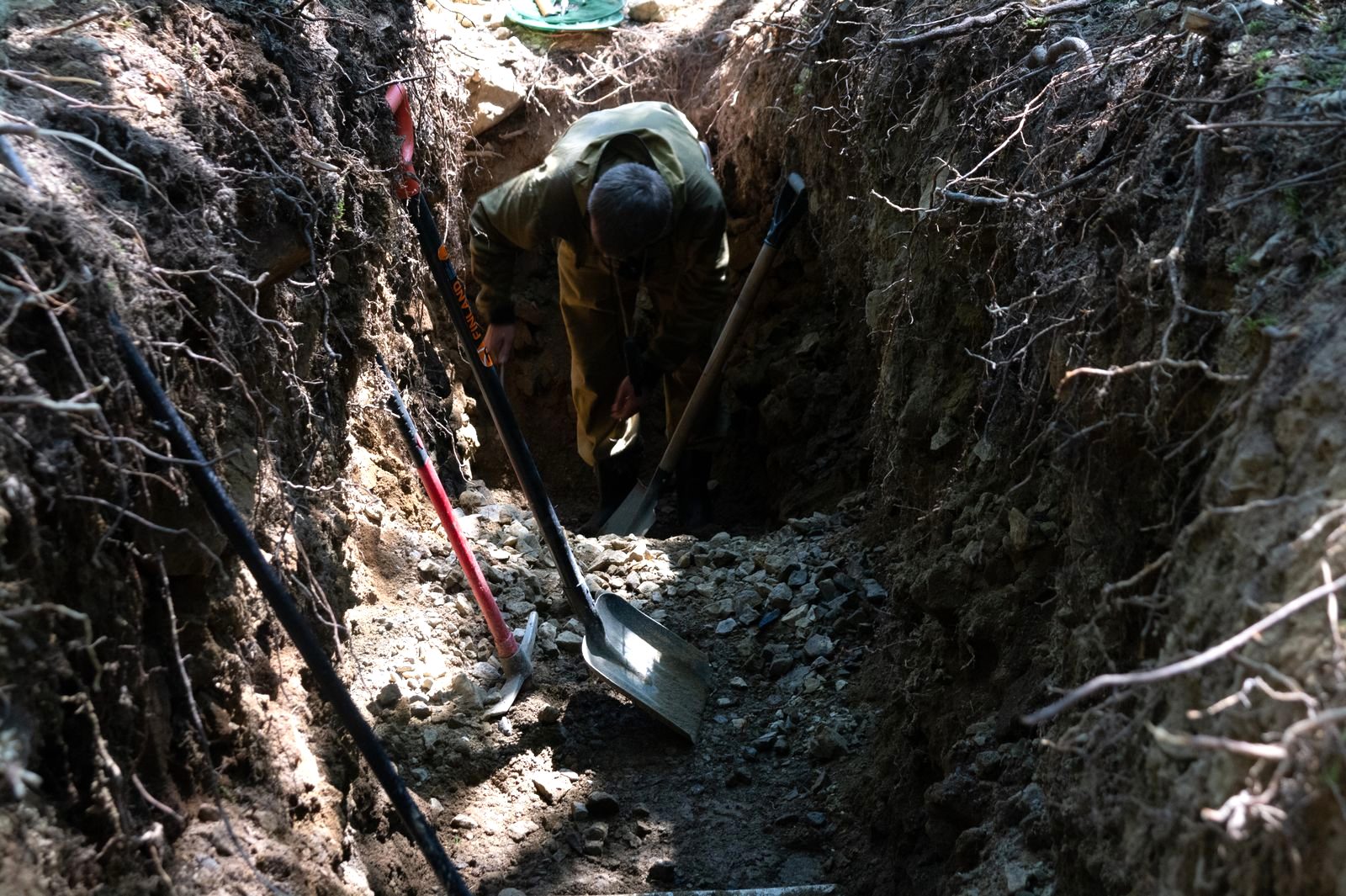
A general home inspection covers the house. It doesn't evaluate the septic system in any meaningful depth - most inspectors will note that a system exists and recommend a separate evaluation. A dedicated septic inspection is one of the most worthwhile additions to a due diligence checklist when buying a home on a private system.
The stakes are real. A drain field that needs to be replaced runs $5,000 to $15,000 in the Amarillo area. A tank with structural issues adds another $3,000 to $6,000. These are costs that belong in the negotiation, not in the first year of ownership as a surprise.
Here's what we cover during a pre-purchase inspection:
Tank condition Lid and access condition (a missing or damaged lid is an immediate safety issue). Tank structural integrity - cracks, seam separation, root intrusion. Inlet and outlet baffle condition (broken baffles send solids directly to the drain field). Sludge and scum layer levels relative to tank capacity. Evidence of prior repairs.
Distribution box Structural condition (cracked or shifted boxes cause uneven loading of the drain field). Verification of even flow distribution to all drain field lines.
Drain field Visible evidence of saturation or surfacing sewage. Condition of leach lines where accessible. Soil evaluation, including visible caliche depth that could restrict absorption. Any signs of field failure: ponding, odor, abnormal vegetation.
Written report We provide a report with findings and photos. This gives you something specific to put in front of the seller's agent. "The septic system needs a $4,000 distribution box replacement and a drain field evaluation" is a negotiating item. "The inspector said it looked okay" is not.
For Existing Homeowners: When to Call
If you pumped the tank and the slow drains came back within three months, something else is going on. The septic system has three components that can fail independently: the tank, the distribution box, and the drain field. A pump-out only addresses the tank.
Slow drains from a distribution box that's shifted in Amarillo's clay soils look identical from inside the house to slow drains from a tank that's full. A drain field compromised by a caliche layer looks the same from the kitchen sink as a drain field that's been overloaded.
A diagnostic inspection means we pump the tank (so we can examine it properly with it empty) and then trace the system from the tank outlet to the drain field. We're looking for:
- Where the effluent goes when it leaves the tank
- Whether it reaches all parts of the field equally
- Whether the field soil is absorbing it or holding it near the surface
- Any distribution box damage causing preferential flow to one section
In Amarillo's caliche-heavy soils, a physically intact drain field can fail because the caliche layer blocks percolation. That's a different repair path than a physically damaged field, and knowing which one you have is worth more than another pump-out that only delays the diagnosis.
Inspection Costs
A pre-purchase inspection runs $300 to $500 for most residential properties, depending on system size and access conditions. This typically includes a pump-out so the tank can be inspected empty, plus evaluation of the distribution box and drain field.
A diagnostic inspection for a problem system (with pump-out included) runs similarly. Call (806) 216-4115 to discuss the specific situation and get an accurate quote.
TCEQ and Inspections
Texas doesn't require a septic inspection at the point of a home sale - it's a buyer's choice, not a mandated contingency. But TCEQ does regulate who can legally perform maintenance and inspection on an On-Site Sewage Facility (OSSF). Use a TCEQ-licensed maintenance company for any evaluation that involves opening the tank or assessing the drain field - not a general plumber or unlicensed contractor.
Frequently Asked Questions
Does the seller have to disclose septic problems? Texas requires sellers to disclose known material defects, which includes known septic system problems. The operative word is "known" - if the system is failing slowly and the seller hasn't had it inspected, they may genuinely not know. The buyer's inspection is the protection, not the seller's disclosure.
How long does an inspection take? Most residential inspections take 1.5 to 2.5 hours depending on system size and whether access complications slow down the pump-out step.
My lender required a septic inspection. Will your report work? Lender requirements vary. Some require inspection by a licensed engineer. Ask your lender what format they need before scheduling - we'll tell you whether our report satisfies it or whether you need a different credential.
The house has been vacant for eight months. Does that matter? It can. The bacterial population in the tank that breaks down solids needs regular inputs to stay active. A long-vacant property may have reduced bacterial function, which sometimes shows up as a system that takes weeks to recover full performance after occupancy resumes. Worth evaluating before closing.
Can you inspect an older system installed before current TCEQ rules? Yes. Pre-code systems can be inspected and assessed for function even if they wouldn't meet current installation standards for a new build. What matters in a property transaction is whether the system functions, not whether it meets the current code for new installations. We'll note the distinction in the report.
What if we find a problem during the inspection? We document the finding, explain what it means, and give you a repair cost range. How you use that information in the transaction is up to you and your agent. We don't have a financial interest in recommending repairs beyond what the system actually needs.
Get a Free Quote
Get a Free Quote